What Is a Skin Scent and Why Does Everyone Who Finds Theirs Never Shut Up About It
Key Takeaways
- Skin scents are not just subtle. They are structurally designed to work with your body chemistry rather than over it, which is why they smell different on everyone.
- The effect comes from specific ingredient families: clean musks, soft woods, skin ambers and powdery florals that mimic the warmth and texture of skin rather than sitting on top of it.
- They are more versatile than people expect. Wear them alone, wear them in warmer weather, or layer them under something bolder to make the whole thing feel more cohesive and more yours.
- "Your skin but better" is a cliché that happens to be accurate.
Not every fragrance wants to announce itself. Skin scents are the ones that stay close: soft, warm, the kind of thing someone notices only when they are near you rather than when you walk into a room. These are not quiet because they are weak. They are quiet because that is the entire point. Built to work with your natural scent rather than replace it, they develop through your body chemistry into something that feels genuinely personal rather than applied. The phrase "your skin but better" gets thrown around constantly in this category. It holds up.
What Actually Makes Them Feel That Way
The skin scent effect is deliberate and it comes from specific ingredients. Knowing what to look for makes finding your version considerably easier.
Clean musks like Ambrettolide and Iso E Super replicate the fresh quality of skin without reading as soapy or synthetic. I Am Trash by Etat Libre d'Orange is a good example of Iso E Super done well: the molecule sits so close to the skin it creates a soft, almost imperceptible presence that makes you want to keep smelling your own wrist. Which is a strange thing to recommend and also exactly what happens.
Soft woods bring warmth and subtle texture without weight. Cashmeran in particular has a fabric-like quality that reads more as skin than wood. Lacura by Mendittorosa uses it to wrap the entire composition in something that feels like a second skin rather than a fragrance you have put on. The distinction sounds small. On skin it is not.
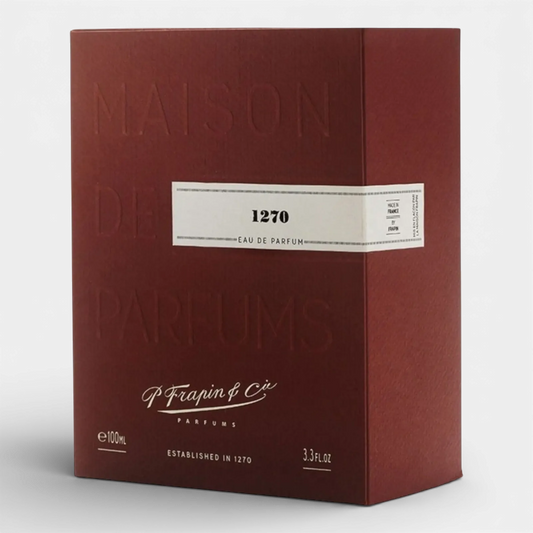
Skin ambers like Ambroxan and Cetalox add a salty, smooth warmth that lingers across hours without ever tipping into heaviness. Laskarina by P. Frapin and Cie is the one to reach for here. It stays present without demanding attention, which is harder to achieve than it sounds.
Powdery florals like iris and violet bring a quieter, airier presence that reads as skin-adjacent rather than overtly floral. Tales of Amber by Goldfield and Banks uses orris root in the heart to create a gentle powdered-skin texture that is soft without being faint. There is a difference and it matters.
Creamy base notes like light vanilla and tonka add depth without pulling the fragrance into sweetness territory. Blanche Bête by Liquides Imaginaires does this particularly well. The tonka and vanilla sit underneath everything, amplifying the skin-like quality of the notes above them rather than competing for attention. The result is something quietly animalic without being aggressive about it.
How to Actually Wear Them
Skin scents are more versatile than people expect. They suit daily wear, warmer months and any situation where you want fragrance without projection. Office-safe not because they are boring but because they respect the room. They also layer exceptionally well underneath bolder scents, smoothing and warming whatever sits on top and making the whole thing feel more cohesive and more personal.
If you have ever loved a fragrance but wished it felt a little more like it belonged to you specifically, layering a skin scent underneath is often the answer.
Browse the full Skin Scents Collection